A Guide to New Zealand’s Native Timbers: Beauty, Strength, and Character
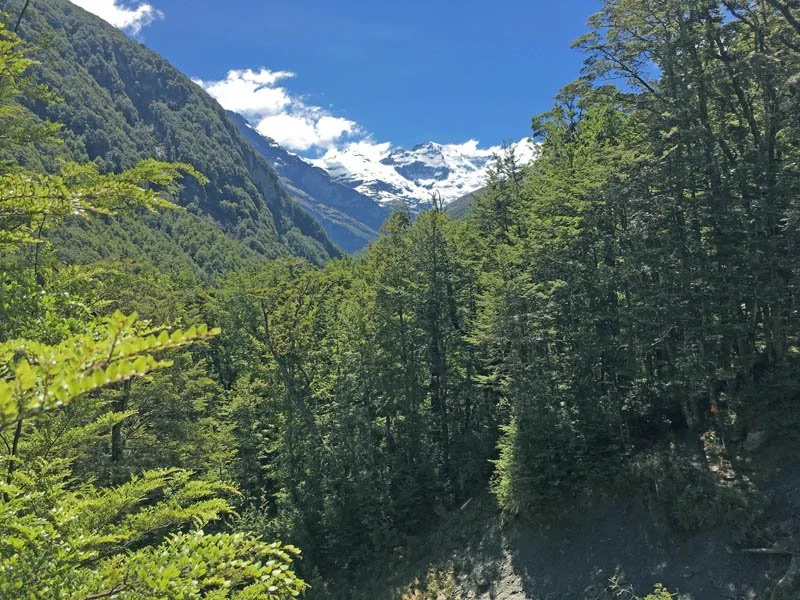
New Zealand’s native forests are a treasure trove of unique timber species. From the ancient, resin-filled swamps of the far north to the beech forests of the deep south, these woods have played a critical role in Maori mythology, colonial construction, and modern designer furniture.
Unlike the soft, fast-growing plantation pines we see everywhere today, NZ natives are dense, durable, and full of character.
Here is a guide to some of the most famous New Zealand native timbers, their properties, and why they remain so sought after.
---
## 1. Kauri: The Ancient Giant
"The Lord of the Forest"
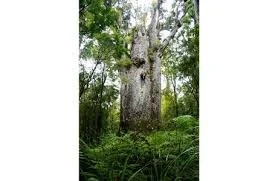
No timber is more iconic to New Zealand than Kauri (*Agathis australis*). While cutting living Kauri is now strictly protected, the timber available today comes from Swamp Kauri—ancient trees that have been buried in peat swamps for up to 45,000 years.
Visual Appearance:
- Light golden-yellow to a rich, reddish-brown (depending on age).
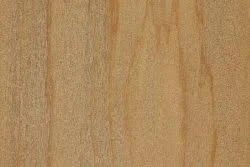
- Features a highly prized "gum mark" figure, where ancient resin has created swirling dark streaks and "eyes" in the grain .
Key Properties:
- Workability: Absolutely superb. It is stable, easy to machine, and sands to a glassy finish due to its natural resin .
- Durability: Highly resistant to decay (the ancient logs prove that!).
- Scent: A distinct, sweet, slightly spicy smell when cut.
Uses: High-end furniture, boat building, veneers, and musical instruments. A single bowl turned from Swamp Kauri can sell for hundreds of dollars due to its age and rarity .
![Image Idea: A close-up shot of Swamp Kauri grain showing the characteristic dark "gum" swirls and rich amber color.]
Photo Credit: This piece from DeviantArt user AndroNyx shows the rich variation in Swamp Kauri (Source: [DeviantArt](https://www.deviantart.com/andronyx/art/NZ-Swamp-Kauri-Bowl-4801857) ).
---
## 2. Rimu: The Building Standard
"Red Pine"
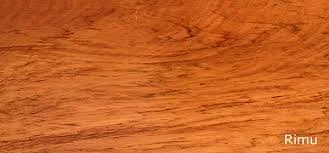
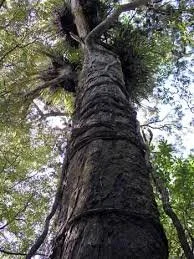
If you live in an old New Zealand villa, you are likely walking on Rimu floors. Rimu (*Dacrydium cupressinum*) was the most important native timber for general construction for over a century .
Visual Appearance:
- Heartwood is a rich, deep reddish-brown.
- Sapwood is pale, almost white.
- It often features "weeping" grain lines and small black knots that add to its aesthetic.
Key Properties:
- Weight: Moderately heavy and hard.
- Workability: It is resinous, which protects tools but can clog sandpaper.
- Status: Still available from sustainable old-growth salvage or recycled demolition yards.
Uses: Flooring, staircases, skirtings, and feature wall panels. It has a distinct, resonant ring when tapped.
---
## 3. Totara: The Waka Builder
"The Durable One"
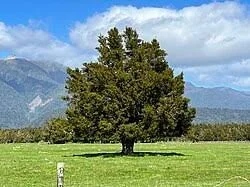
Totara (*Podocarpus totara*) was the wood of choice for Māori. They used it to build their famous waka (canoes) because it is lightweight, straight-grained, and incredibly resistant to rot .
Visual Appearance:
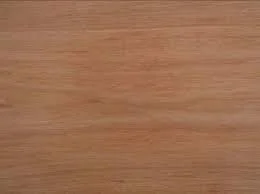
- A uniform, straight grain.
- Color ranges from a rich golden-brown to a dark, chocolatey-red, depending on the age of the tree.
- It carves like butter compared to other natives.
Key Properties:
- Durability: Excellent resistance to ground rot and insects.
- Lightweight: Much lighter than Rimu or Matai.
- Scent: It has a distinctive, earthy, almost celery-like smell when green.
Uses: Fence posts, garden edging, sleepers, carving, and outdoor furniture. It does not require chemical treatment, making it ideal for organic gardening .
![Image Idea: A photo of a massive Totara log or a reclaimed Totara fence post showing its straight, light-brown grain.]
---
## 4. Matai: The Black Pine
"The Flooring King"
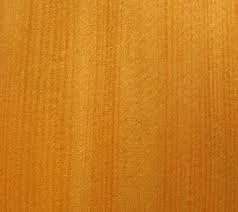
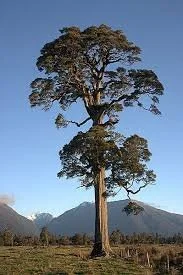
Matai (*Prumnopitys taxifolia*) is the unsung hero of the New Zealand home. While Rimu gets the glory for looks, Matai takes the beating on the floor .
Visual Appearance:
- A distinctive "satin" finish when polished.
- Darker than Rimu, usually a deep brown with a subtle olive or black hue.
- Very clean, minimal gum lines.
Key Properties:
- Hardness: Very hard and stiff (though slightly brittle for a conifer).
- Wear Resistance: This is its superpower. Old Matai floors from the 1940s often still look perfect today because the wood is so dense .
- Stability: Holds its shape well.
Uses: Top-tier flooring, weatherboards, and joinery. If you see a black and white speckle in an old floor, it’s likely Matai.
---
## 5. Kahikatea: The White Pine
"The Butter Box Wood"
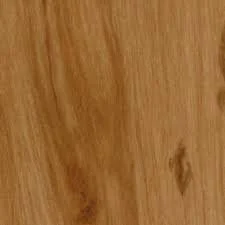
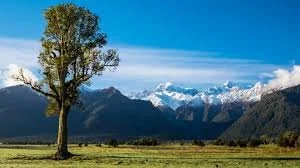
Kahikatea (*Dacrycarpus dacrydioides*) is New Zealand’s tallest native tree, often called "White Pine." It has a fascinating history related to food .
Visual Appearance:
- Very pale, almost white or straw-yellow.
- Very straight, even grain with no significant figure.
Key Properties:
- Odorless/Tasteless: Unlike other woods, Kahikatea has no aroma. This made it the perfect wood for shipping butter and cheese in the early 1900s. The boxes wouldn't taint the food .
- Workability: Very stable, similar to Cedar. It is excellent for veneers and bentwood.
- Availability: Once almost wiped out by farming (drained swamps), it is now making a comeback in specialty timber planting.
Uses: contemporary kitchen benchtops, chopping boards, and fine furniture.
---
## 6. The Southern Beech: Hard and Tough
"Tawhai, Red, and Silver"
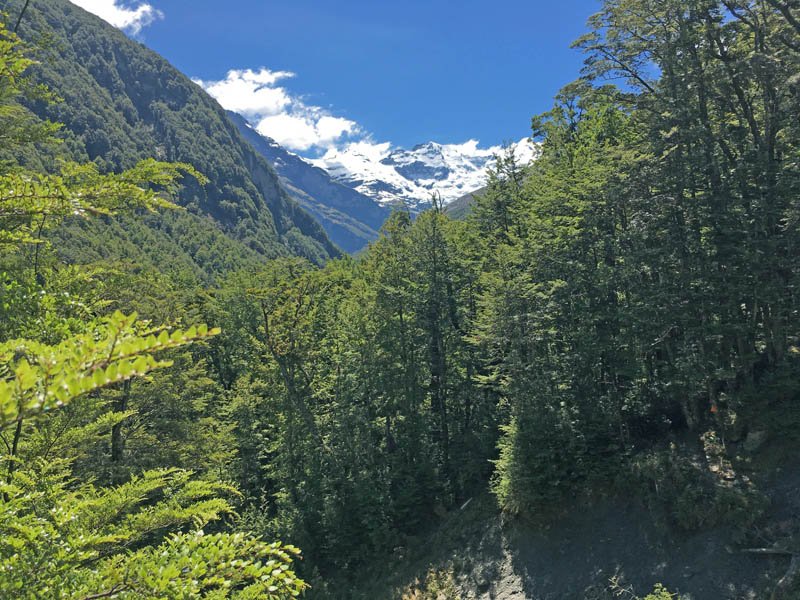
In the South Island, the softwoods give way to the Beeches. These are hardwoods, much tougher to cut than Kauri or Rimu.
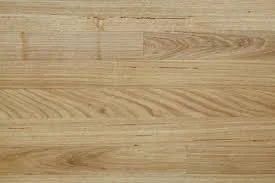
- Red Beech: A rich, warm red-brown. Very strong and durable. Used for bridges and railway sleepers historically .
- Silver Beech: Lighter in color (pinkish). It is incredibly flexible and was famously used for coach and car bodies (like the old Holden cars) because it could bend under steam pressure without breaking .
- Hard Beech: Contains high silica. It is so hard that it will blunt your saw blades instantly. Often used for tool handles .
![Image Idea: A photo of a modern piece of Red Beech furniture to show the deep, rich color and fine texture.]
---
## 7. Macrocarpa: The "Poor Man's Kauri"
"The Exotic Native"
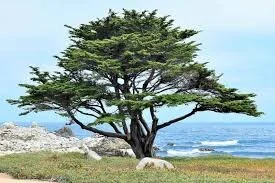
Technically a Monterey Cypress from California, Macrocarpa has been in NZ for so long it feels native. It is wildly popular right now because it is sustainable and looks like Kauri.
Visual Appearance:
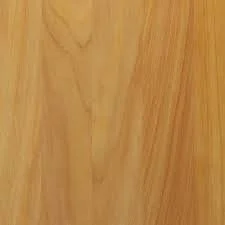
- Golden-brown heartwood with a pinkish tinge.
- Quarter-sawn boards reveal a beautiful "speckled" figure.
- Freshly cut, it smells like lemon or spice .
Key Properties:
- Durability: Naturally durable (H3.2 equivalent) for outdoor use without chemicals .
- Workability: Easy to nail, glue, and machine.
- Cost: Usually much cheaper than ancient Kauri or recycled Rimu.
Uses: Pergolas, outdoor furniture, cladding, and rustic interior beams .
---
## Which Timber is Right for You?
- For a flooring that will last 100 years: Go with Matai.
- For a dining table that resists dents:Puriri or Eucalyptus (Aussie native grown in NZ, extremely hard) .
- For a chopping board or kitchen island:Kahikatea (safe for food).
- For outdoor fence posts or gates:Totara (naturally rot-proof).
- For a budget-friendly, golden look:Macrocarpa.
A Note on Sustainability
Because of historic over-logging, native forests on public land are no longer logged for milling in New Zealand. The timber available today comes from either farm shelter belts (trees planted by settlers 80+ years ago) or recycled sources (old houses/barns). Buying native timber is buying a piece of history.